Reconnecting People With Their Roots
We help individuals discover their ancestry, trace their origins, and reconnect with their heritage across generations.
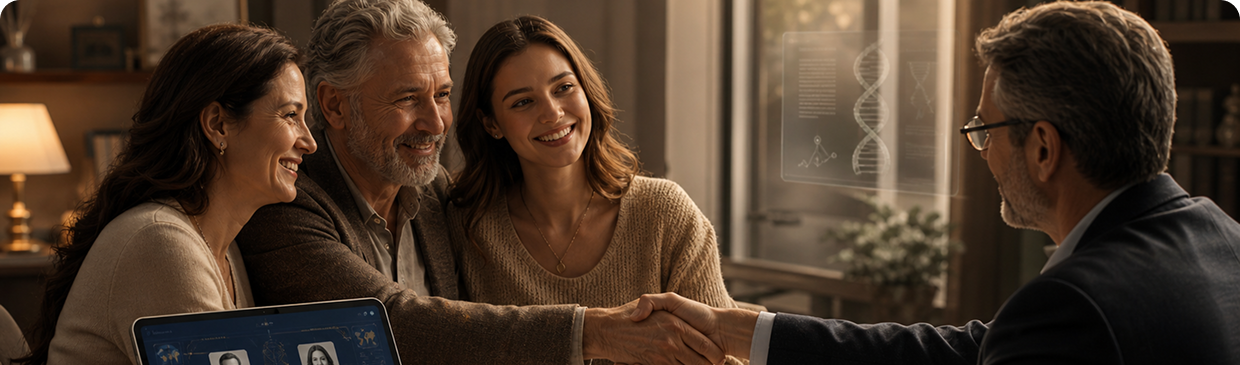
We help individuals discover their ancestry, trace their origins, and reconnect with their heritage across generations.
Connecting to the Roots is created for those who carry one powerful question: Where did my family’s story truly begin? We support descendants of Girmitya whose forefathers left India between 1834 and 1917, carrying their names, language, and culture across the oceans. Generations later, many still long to know their ancestral village and their origin. With trusted researchers and local networks in India, we help interpret historical records, trace ancestral clues, and guide your search with care and cultural understanding. For us, this is more than research — it is a step back to where your story began.
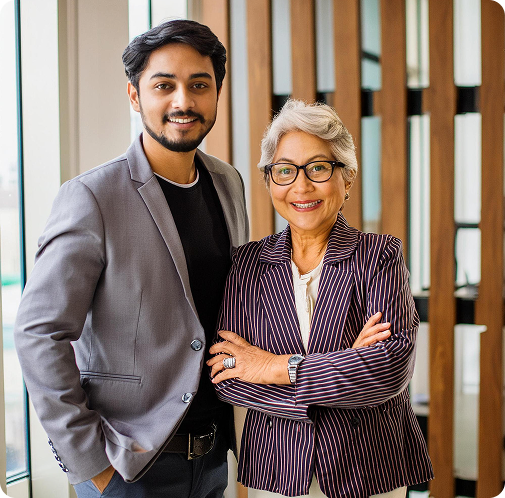
Guided by cultural understanding, trusted local networks, and sincere commitment to helping families reconnect with their ancestral story.
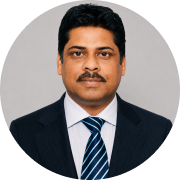
The founder of Connecting to the Roots comes from the Bhojpuri-speaking belt of Bihar, a region closely connected with the history and culture of many Girmitya ancestors. Now living in the United Kingdom, he understands both the Indian roots of this journey and the emotions of descendants searching from abroad.
Fluent in Bhojpuri and familiar with the social and cultural realities of Bihar and Uttar Pradesh, he understands how village names, districts, and local identities may have changed over time. This insight is essential when interpreting old immigration records.
Through Connecting to the Roots, he brings together cultural knowledge, trusted local networks, and sincere commitment to help families reconnect with where their story began.
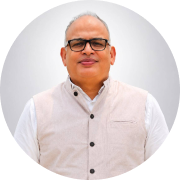
Prof. Gajendra Pathak is a Professor of Hindi at University of Hyderabad whose work bridges literature, history, and culture through interdisciplinary research. His academic interests include Hindi literature, cultural history, colonial and postcolonial studies, migration and diaspora, and the evolution of Hindi–Urdu print culture.
He has guided research scholars, published widely in national and international academic forums, and contributed to curriculum development, research initiatives, and university governance. His scholarship is particularly recognized for its focus on colonial labour migration, Girmitiya (indentured diaspora) studies, and the cultural histories of migration and print.
Committed to advancing knowledge through collaboration and innovation, Prof. Pathak promotes interdisciplinary research, international academic engagement, and inclusive approaches to higher education.
Between 1832 and 1917, over 1.2 million Indians were taken across the world under the British indentured system. More than a century later, their descendants now live across many countries, with different nationalities and lifestyles.
Yet one connection remains — a shared origin and a shared journey from India. At Connecting to the Roots, we help descendants of indentured labourers rediscover that connection and trace where their family story began.


 United States
 Canada
 Australia
 New Zealand
 United Kingdom
 Netherlands
From generations of separation to rediscovering identity — this is how stories come back to life.
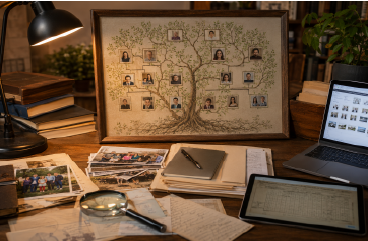
Thousands of families migrated across countries, leaving behind their homeland, identity, and connections.
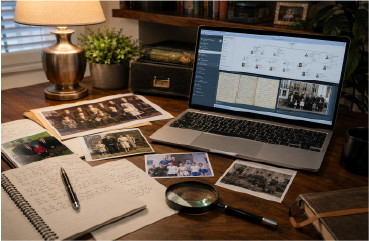
Over time, names, places, documents, and family links became harder to trace across generations.
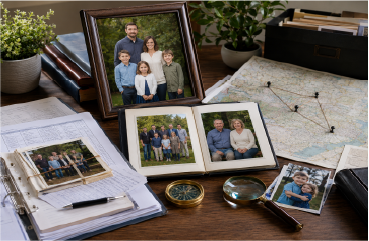
Digital records, historical archives, and migration data created new ways to rebuild family history.
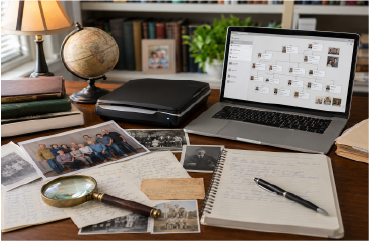
Verified research, expert analysis, and real-world connections help people rediscover their lost roots.
1800
1900s
2000
2020



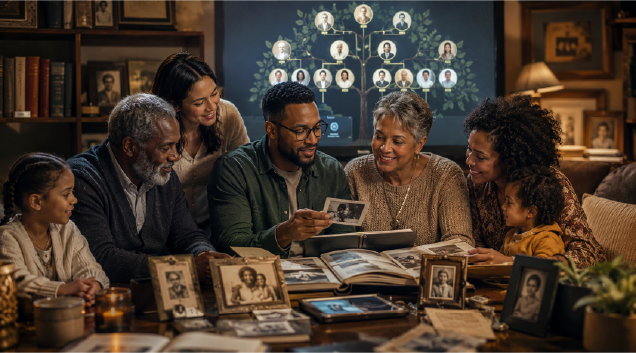
To reconnect descendants of the Indian diaspora with their ancestral roots through authentic historical research, archival records, and on-the-ground investigations, preserving family heritage for future generations.
To become the world's leading ancestral research organisation, bridging generations by uncovering forgotten family histories and reconnecting the global Indian diaspora with their roots in Bharat.
The crew was friendly, fast, and incredibly organized. They handled our large furniture with ease and didn’t leave a scratch.
Aiden T
Boston, MA
The crew was friendly, fast, and incredibly organized. They handled our large furniture with ease and didn’t leave a scratch.
Mark S
Boston, MA
I had very little information about my grandfather, but the team traced our exact village. Seeing real photos from there was emotional and unforgettable.
Rajesh Kumar
Mauritius
I never thought we would find our roots after generations. The field research made all the difference.
David Ram
Trinidad
The crew was friendly, fast, and incredibly organized. They handled our large furniture with ease and didn’t leave a scratch.
Aiden T
Boston, MA
The crew was friendly, fast, and incredibly organized. They handled our large furniture with ease and didn’t leave a scratch.
Mark S
Boston, MA
I had very little information about my grandfather, but the team traced our exact village. Seeing real photos from there was emotional and unforgettable.
Rajesh Kumar
Mauritius
I never thought we would find our roots after generations. The field research made all the difference.
David Ram
Trinidad
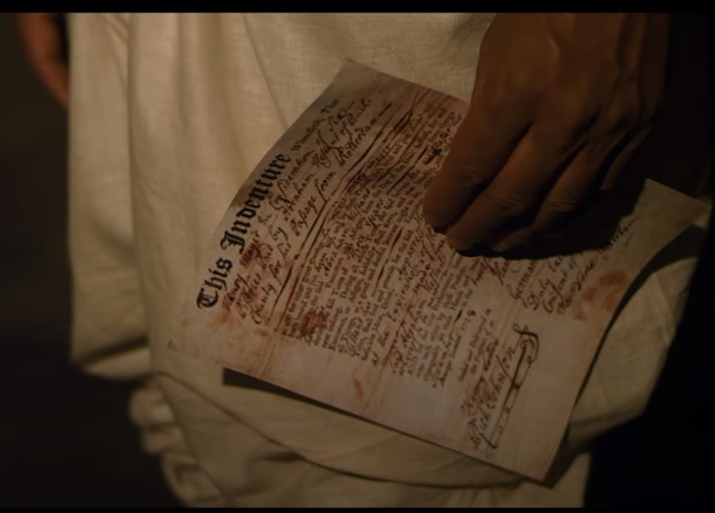
The Williams family had limited information about their ancestry. Records only went back to the early 1900s, and there were inconsistencies in family names due to immigration changes. Traditional online searches led to dead ends.
April 9, 2025
March 10, 2025
April 10, 2024