Understanding the meaning of Girmit, the identity of Girmitya ancestors, and the importance of Emigration or Immigration Pass records.
Gurmit comes from the English word “agreement” — the contract Indian labourers signed during indenture. For Bhojpuri and Awadhi-speaking labourers, the word was reshaped through speech into “girmit,” becoming a symbol of adaptation, hardship, and survival.
Girmitya refers to the people connected to the girmit agreement. In Bhojpuri and related languages, “-iya” often describes a person associated with something. Over time, Girmitya became more than a legal term — it became an identity of resilience, culture, and connection to India.
The Emigration or Immigration Pass was the official identity document issued to indentured labourers between 1832 and 1917, before modern passports existed.
It may include your ancestor’s name, father’s name, place of origin, district, ship name, and medical details — often providing the strongest link to your roots in India.
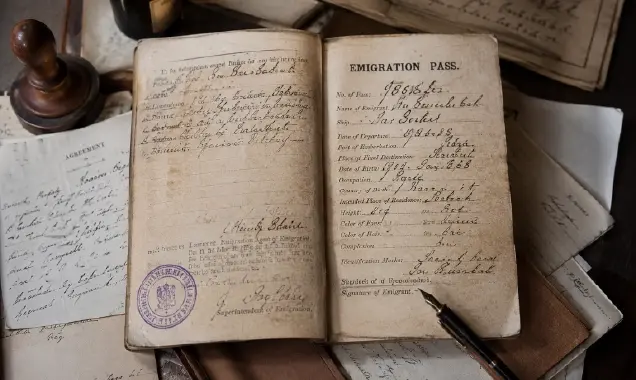
Individual Emigration Passes are generally not kept in India or the UK. These countries mainly hold administrative or colonial records. The most reliable source is usually the national archive of the destination country, where your ancestor arrived and was officially registered.
If you have your ancestor’s Emigration Pass, your journey can begin with confidence. Simply register, upload the document, and choose your preferred research option. We will then analyse the details and begin tracing the clues that may lead back to your ancestral origins.
If you do not have your ancestor’s Emigration Pass, your journey can still begin. Start by gathering family stories, names, documents, photographs, and any details about ships, plantations, arrival years, or places of origin. You may also contact national archives in your country to search immigration, ship, and labour records. Even small clues can help.
This page will also show the copy of Emigration passes and how it looks like.